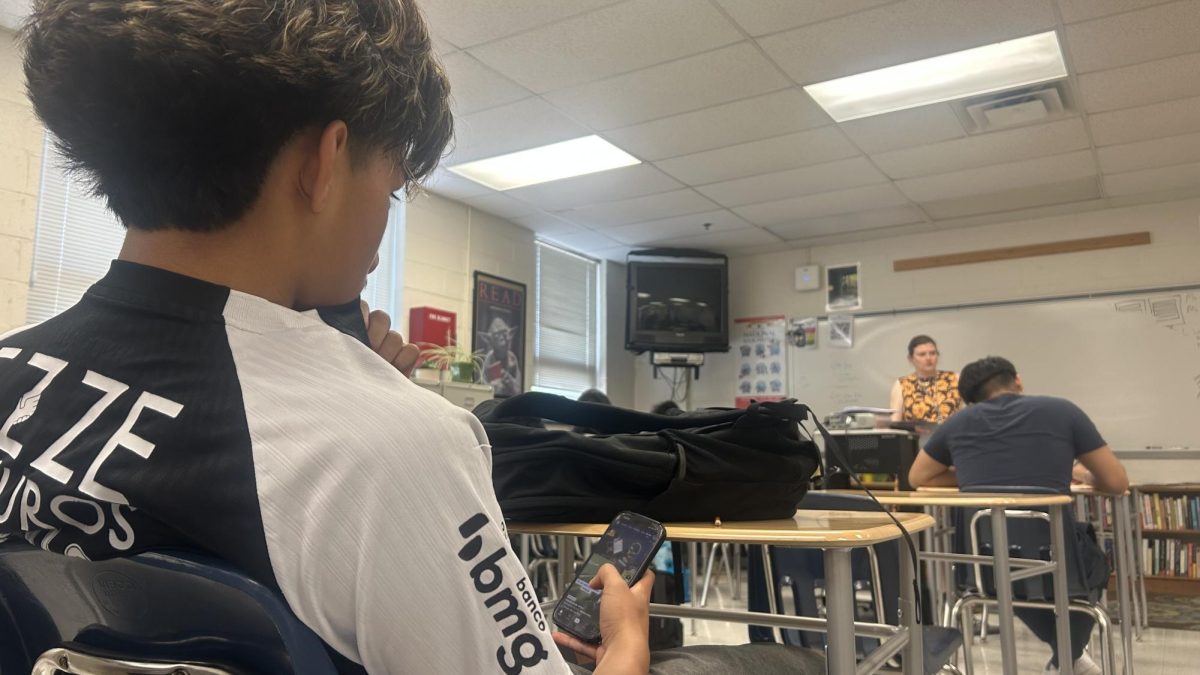
The cell phone policy at Lewis High School has good intentions and aims to address a significant problem: phones. But in its current form, it creates problems for both students and teachers. A policy meant to help students focus should not create more issues and should account for flexibility, consistent enforcement, and the distinction between misuse and appropriate use. These small devices have become a major source of debate in schools across Fairfax County, and the policies surrounding them have changed many times over the years.
In the past, Fairfax County Public Schools had a more flexible cell phone policy. Before the 2022 changes, phones were expected to be “off and away” during instructional time, unless a teacher allowed them for a lesson.
During the 2022-2023 school year, FCPS created a compromise. Kindergarten-8th-grade students had to keep their phones silenced and put away all day, while high school students could still use them during lunch and between class periods.
This policy still limited distractions, but it also gave high school students some leeway.
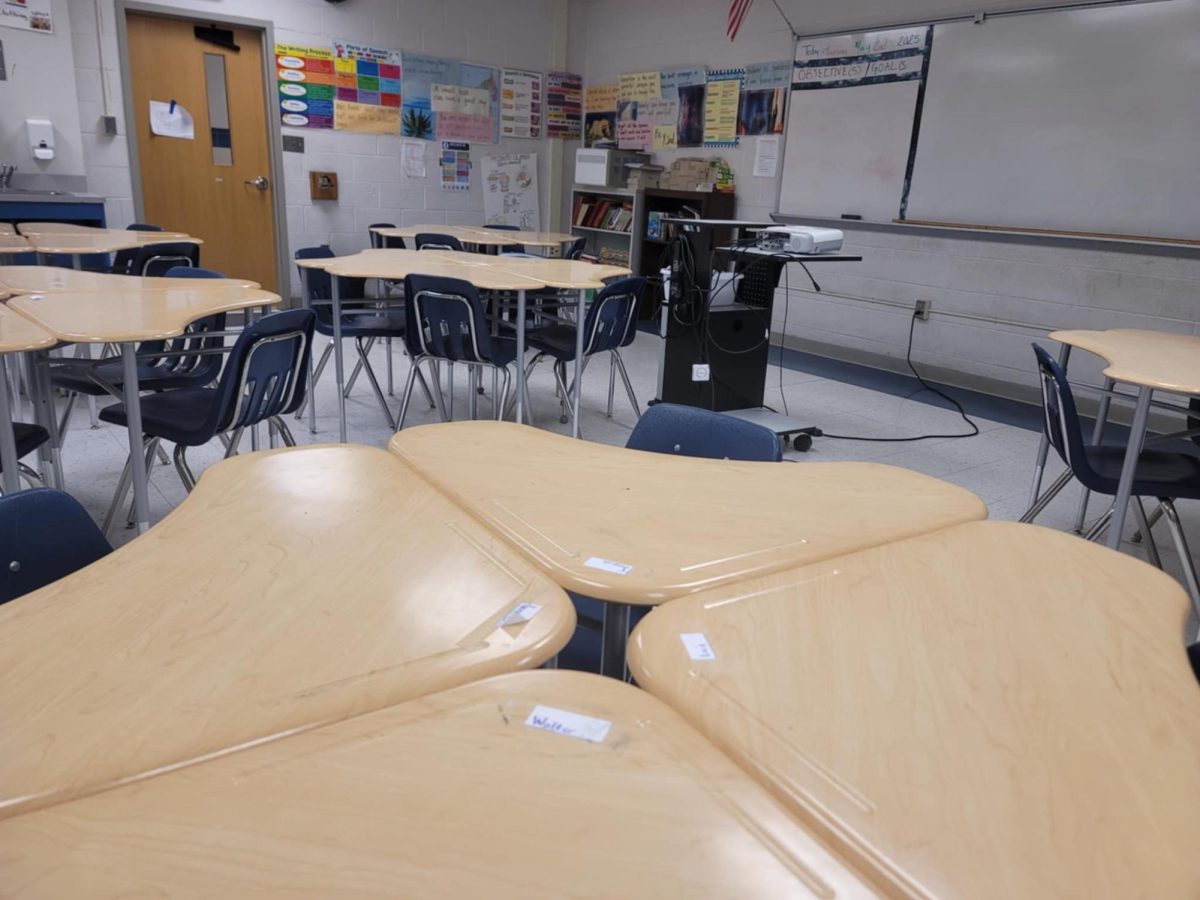
Alas, that flexibility has mostly disappeared. During the 2024-2025 school year, FCPS moved toward stricter rules after Virginia pushed schools to limit phone use from bell to bell. Some schools implemented Yondr pouches, little bags that lock after a phone is placed inside and sealed, which require students to go to certain locations to unlock them once the school day has ended. While other schools (including Lewis) had storage units in each classroom where students would place their phones and retrieve them when class ended.
The storage units at Lewis, however, were short-lived.
For the 2025-2026 school year, high school students were only allowed to use their cell phones at lunch. That shift may become even stricter next school year after Governor Abigail Spanberger signed SB108, a bill that will require Virginia school boards to update their cell phone policies.
The new law changes the language from “restricting” to “prohibiting” student cell phone use. Meaning high school students won’t be able to use their phones or any other smart device at all on school property during school hours, though the exact way FCPS will apply the law is still uncertain. However, there are still exceptions to the new law, such as individuals with specific medical and educational needs. Aside from these few specific cases, the law still shows that school phone rules are becoming stricter.
Students have mixed opinions on the matter. While some students agree that phones can be a distraction, others believe the current policy is overly restrictive.
Senior Taha Aamir recognizes both sides of the issue. He understands why schools want students focused in class, but he also believes the policy can interfere with real responsibilities. “It affects me negatively because I can’t text my parents and do my other responsibilities,” Aamir said. He added, “It’s a good thing keeping people off their phones, because you’re supposed to come to school to learn. The bad thing is I think it’s a little too harsh.”
Supporters of the current policy, mainly teachers at Lewis, would argue that strict rules are necessary because phones distract many students from learning. And they’re not completely wrong. Teachers should not have to compete with notifications, games, or social media to engage with students during class.
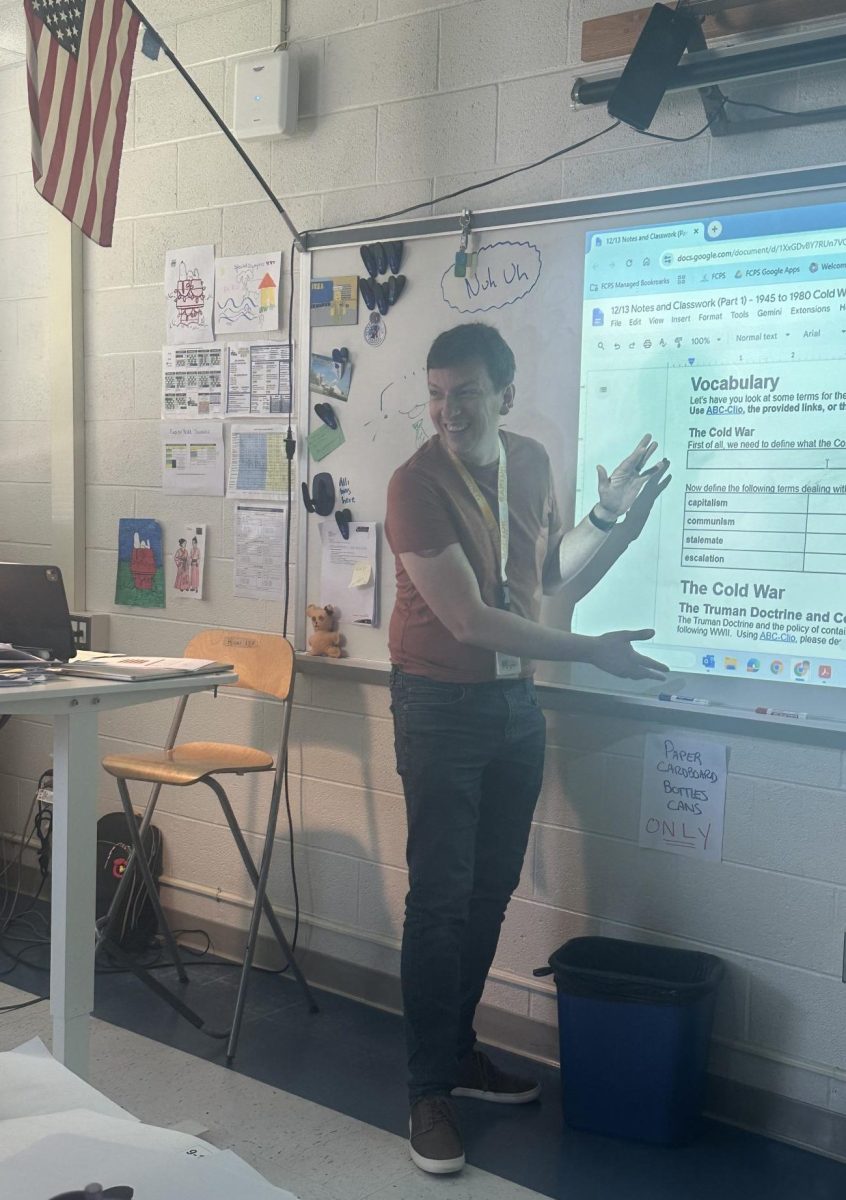
History & Social Studies teacher Skyler Verloop said the policy is “much more strict now” because students cannot have their phones out in class at all. “It’s not the teacher’s discretion, it’s every classroom,” Verloop said.
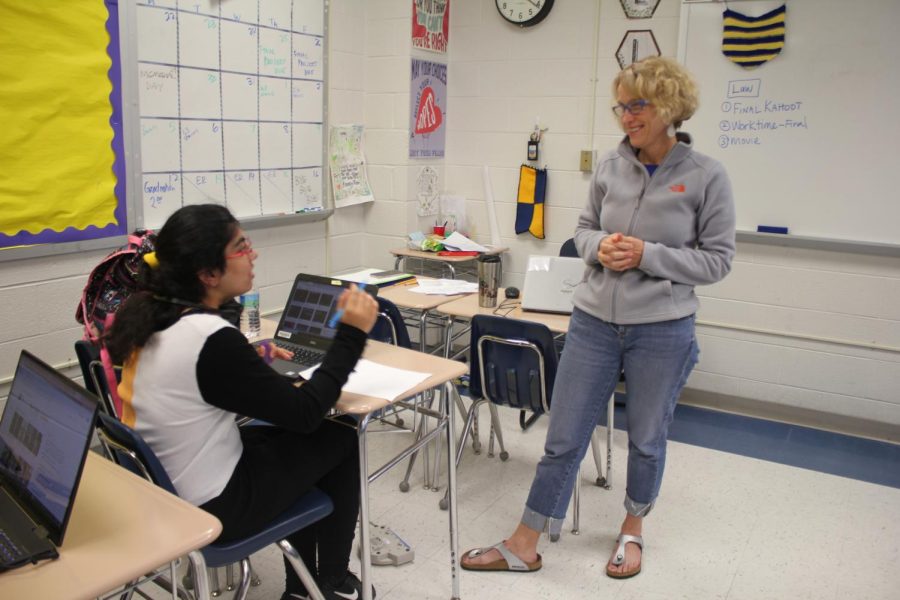
Computer Science teacher Carl Rothe said the current system is better than last year’s policy, which was time-consuming; some students didn’t want to give up their phones. “…We were collecting their phones and putting them in pockets on the wall, which took some time to do because some students didn’t want to give up their phones. So, I think it’s better now,” Rothe said.
Still, the policy isn’t perfect.
Teachers also recognize that enforcement remains a major issue. Rothe said, “…if all the teachers made sure that students didn’t pull out their phones, it’d work, but not all the teachers do it, so it doesn’t work.”
Verloop agreed that the policy “just needs to be enforced better.”
Rules being enforced inconsistently from class to class confused students and overall left everyone involved frustrated.
At the same time, some students like senior Jose Santana Olivera aren’t affected at all and just obey the current policy. “It doesn’t really affect me much because I don’t use my phone in class; I only use it during lunch,” Santana Olivera said.
However, he also believes the policy can be unfair to responsible students. “I think it’s good for the students that don’t behave themselves, but it’s kinda annoying for students who want to use their cellphones for good and valuable reasons,” Santana Olivera said.
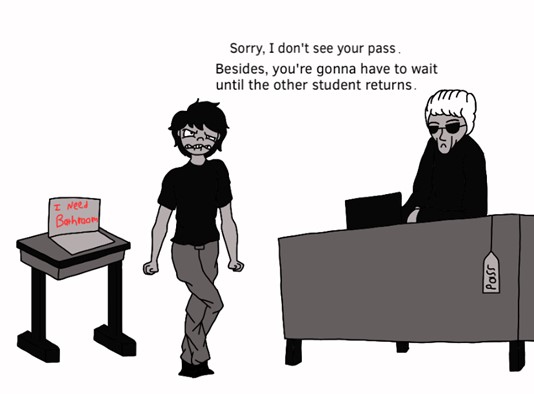
Santana Olivera brought up another major issue with the current policy. It treats all phone use the same; it holds responsible students to the same standards as those who misuse their phones. A student watching TikTok during a lesson is not the same as a student needing to contact a parent during an emergency, or a student who’s genuinely using their phone to support their learning.
Most students do not like the cell phone policy, and honestly, they do not follow it completely. Students will continuously pull out their phones, play games, or do something else that’s unacademic with or without their teacher’s approval.
Both Aamir and Santana Olivera suggested reasonable solutions to the current policy. Aamir said, “I think if you have an emergency, you should be able to step outside of class and call your parents, while not disrupting the class.”
Santana Olivera believes the policy should depend partly on the level of responsibility expected in different classes. In more advanced courses, where students are trusted to manage heavier workloads and accept the consequences of their choices, he believes there should be more flexibility. “I think there should be more responsibility on the students rather than the teacher in higher-level classes, such as honors, AP, and IB. The cellphone policy should stay as it is in regular classes,” Santana Olivera said.
Those solutions, combined with better enforcement, flexibility, and appropriate phone use when allowed, are what FCPS should push for in the cell phone policy, rather than the harsher policy to be implemented in the next school year.
Ultimately, FCPS and Lewis should not abolish the cell phone policy. Students should not be allowed to use their phones irresponsibly during lessons. Nevertheless, the policy definitely needs improvement. A more appropriate phone policy would give teachers the discretion to decide when phones are being used productively and whether they have become disruptive. For minor issues, students could receive a warning before facing stronger consequences for repeated behavior. In those specific cases, phones could be placed in classroom storage for the rest of the period, or if the situation continues to worsen, it could be handled through a referral. A good school policy should not only control behavior; it should teach responsibility.